R4,000–R10,000 Internship Stipends in South Africa: Benchmarks

Yes, most structured internships in South Africa pay a monthly stipend, and the typical range runs from about R4,000 to R10,000, depending on the sector and employer. Government programs tend to publish fixed figures, with the Department of Employment and Labour’s Graduate Internship Programme) offering around R7,860.50 per month. What you’ll actually get depends heavily on where you apply, so it pays to compare offers against real benchmarks before you sign anything.
TL;DR:
- Corporate and sector-specific internships tend to pay above R8,000 in finance and tech, but NGOs and retail roles often pay below R5,000 or provide only allowances.
- Most internship applications require certified documents and have application windows that close within weeks, making early preparation essential.
- A stipend alone usually does not cover all living costs, especially housing and transport, so applicants should budget carefully and negotiate allowances if necessary.
- Internship contracts may differ in legal protections, so reading the agreement carefully is crucial to understand employment rights and benefits.
Table of Contents
- Typical Internship Stipend Ranges in South Africa
- Where to Find Paid Internships in South Africa
- Eligibility, Documents, and Application Timelines
- Is the Stipend Enough? A Simple Budget Check
- Stipends, Tax, and Employment Status
- Real Published Stipend Figures to Compare Against
- How a Stipend Affects Your Rights as an Intern
- BursaryZA’s View on Verifying Internship Listings Before You Apply
- Search Verified Internships With BursaryZA
- Sources
- FAQ
Typical Internship Stipend Ranges in South Africa
Stipend figures vary more than most jobseekers expect, and the spread tells you something about who’s hiring. SETA Desk’s research puts the common range at R4,000 to R10,000 a month, with government and large corporate programs the most likely to pay consistently. Smaller employers and NGOs sit at the bottom of that range or sometimes offer nothing beyond a training certificate.
SetaJobs’ benchmark data sharpens the picture. Across all learnership and internship listings they tracked, the median stipend sat around R6,250, but internships specifically pulled a higher median of R8,250.
Location and sector shift those numbers further:
- Finance and tech internships tend to pay above the median, often landing closer to R8,000 to R10,000 for graduate-level placements at banks, accounting firms, and IT companies.
- NGOs and retail internships frequently sit at the lower end, sometimes below R5,000, and occasionally offer only transport allowances instead of a full stipend.
- Gauteng-based placements generally report higher medians than internships in less industrialized provinces, reflecting the concentration of corporate head offices in Johannesburg and Pretoria.
| Stipend Range | Common Sector Examples | Notes |
|---|---|---|
| a few thousand rand up to around five thousand | NGOs, retail, some municipal programs | Often include transport allowance only |
| mid-range stipends typical for government departments, SETAs | Government departments, SETAs | Matches typical internship stipends |
| higher stipends found in finance, tech, and large corporate sectors | Finance, tech, large corporates | Urban roles tend to offer more |
If an offer falls well below R4,000 with no explanation, ask directly what the stipend is meant to cover before accepting.
Where to Find Paid Internships in South Africa
Government programs remain the most reliable source of published, fixed stipends. The Department of Employment and Labour’s Graduate Internship Programme runs structured 24-month placements with a stated stipend, and it publishes its intake windows well in advance. The Public Service Internship Programme, coordinated through the Department of Public Service and Administration, works similarly across national and provincial departments. Municipal programs like the City of Johannesburg’s internship intake also publish their own figures each cycle.
Beyond government, SETA-linked programs such as MICT SETA run sector-specific internships tied to skills development levies, usually with stipends benchmarked against SETAJobs’ published medians. On the corporate side, companies like Amazon South Africa occasionally list paid internship roles, such as a 12-month program manager placement in Cape Town described as offering competitive pay without a published figure.
For live listings, LinkedIn’s paid internship search currently surfaces over a thousand roles across South Africa, and filtering by “internship” plus your province narrows results fast. Indeed works the same way. Always cross-check a corporate listing against the employer’s own careers page before applying.
Pro Tip: Set a saved search alert on job platforms using the term “stipend” rather than just “internship.” Employers who state a specific figure upfront are usually more transparent about the whole process.
Eligibility, Documents, and Application Timelines
Most South African internship programs share a similar entry bar, though details shift slightly between government and corporate schemes.
- Confirm basic eligibility. You typically need to be an unemployed graduate or student, a South African citizen or permanent resident, and not currently enrolled in another internship or learnership.
- Gather your documents early. Expect to submit a CV, certified copy of your ID, matric certificate, and certified academic transcripts. If you studied abroad, you may need a SAQA evaluation before your qualification is recognized.
- Plan for a slow process. Application windows for government internships often open once a year and close within weeks, but shortlisting, assessments, and interviews can stretch the full process out to two or three months before you get a start date.
Missing a certified document is the single most common reason applications get bounced back, so certify copies before you need them, not after a deadline lands.
Is the Stipend Enough? A Simple Budget Check
Before accepting a placement, run the stipend against your actual monthly costs rather than assuming it will stretch.
- Transport: commuting costs in cities like Johannesburg or Cape Town can eat R800 to R1,500 a month depending on distance and mode.
- Food: budget realistically for R1,500 to R2,500 if you’re covering your own meals.
- Data and airtime: most internships expect you to stay reachable, so factor in R150 to R300 monthly.
- Rent, if relocating: this is the line item that breaks most budgets, since some government notices explicitly state interns must arrange their own accommodation when posted outside their home area.
Ask employers directly whether travel, accommodation, or data allowances sit on top of the stipend or inside it. If the total gap between your costs and the stipend is small, negotiate for a data or transport top-up. If the gap is large and there’s no room to negotiate, it’s fair to decline, particularly if a comparable placement closer to home is available.
Pro Tip: Write out your budget before the interview, not after the offer. It’s easier to ask “does this include transport?” as a neutral question than to renegotiate a signed offer letter later.
Stipends, Tax, and Employment Status
A stipend isn’t the same thing as a salary, and that distinction matters for your paperwork. Most internship stipends exclude standard employee benefits like medical aid or pension contributions, since interns are usually classified as trainees rather than permanent staff. That said, PAYE tax can still apply if your stipend crosses the relevant income threshold, so don’t assume it’s automatically tax-free.
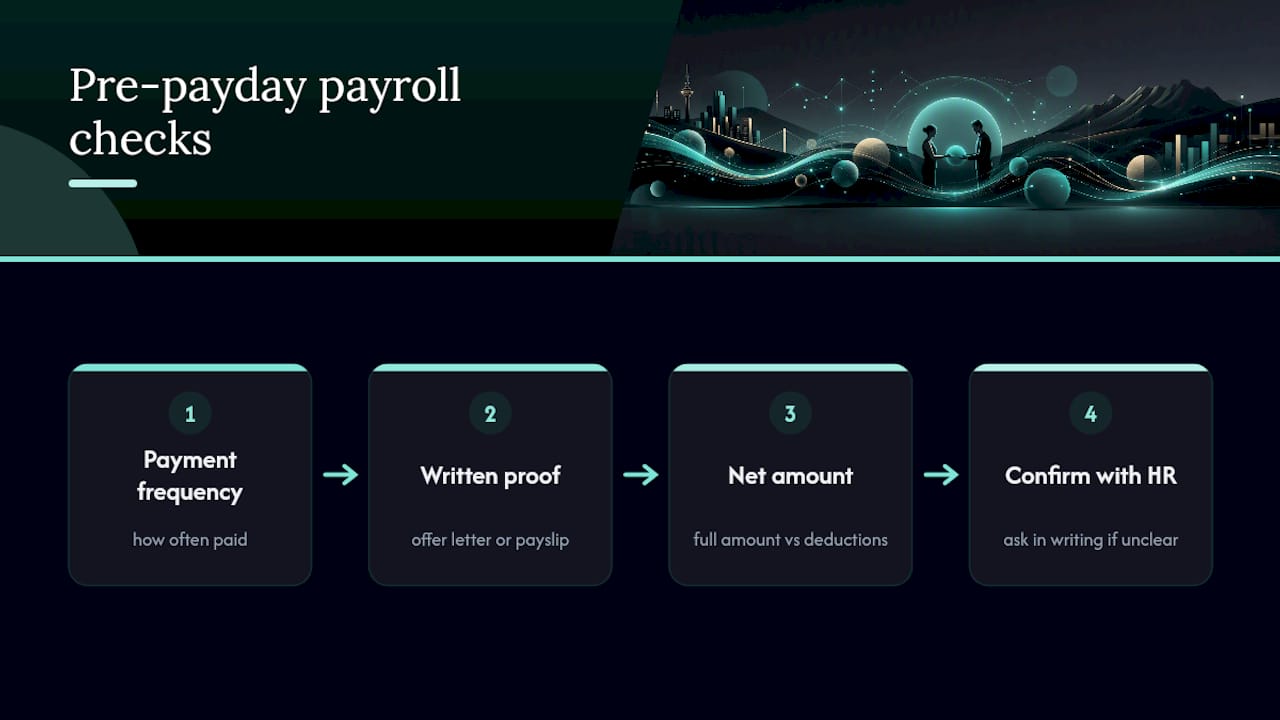
Before your first payday, confirm three things with whoever handles payroll: how often you’ll be paid, whether you’ll receive a written offer letter or payslip, and whether the stated stipend is the full amount or has deductions still to come. If anything is unclear, ask for it in writing rather than relying on a verbal promise from HR.
Real Published Stipend Figures to Compare Against
Comparing your offer to actual published figures beats guessing. Here’s what several named South African programs have stated publicly:
A few things stand out when you line these up:
- Government notices are usually the most transparent about what the figure covers, and often specify whether accommodation or travel is separate.
- Municipal programs like Johannesburg’s can pay above the national government median, reflecting higher living costs in metro areas.
- Corporate listings rarely publish an exact number upfront, using phrases like “competitive pay” instead, so you often only learn the figure at offer stage.
Always verify a published figure against the provider’s own current notice before applying, since amounts get revised between intake cycles.
How a Stipend Affects Your Rights as an Intern
A paid stipend does not automatically give you the same legal protections as a permanent employee, and that gap catches a lot of interns off guard. Whether you’re covered by the Basic Conditions of Employment Act depends on how your contract is structured, not on the fact that you’re receiving money each month. Some internship contracts classify interns as employees with full protections; others frame the placement as training only, which can leave you outside standard protections around notice periods, overtime, or dismissal procedures.
This is why reading the actual internship agreement matters more than reading the stipend line. A written contract should state whether you’re covered by standard labor protections, what happens if the program ends early, and whether the stipend is tied to attendance or performance conditions. If a program pays well but the contract is vague on these points, that vagueness is a bigger risk than a slightly lower stipend from a program with clear terms.

Government and municipal internships generally have clearer contractual language because they follow standardized public sector templates. Corporate internships vary more, so it’s worth asking directly whether you’ll have access to grievance procedures or a point of contact if a dispute arises during the placement. A stipend covers your living costs, but it says nothing about how you’re protected if something goes wrong mid-contract.
BursaryZA’s View on Verifying Internship Listings Before You Apply
Internships on the platform get checked against the provider’s own notice before going live, because stipend figures and closing dates change between intake cycles and outdated listings waste applicants’ time. Set an alert for your field and province, keep a base CV and certified documents ready, and apply the day a listing opens rather than the week it closes. Government and municipal programs especially move fast once shortlisting starts.
— Nkosi
Search Verified Internships With BursaryZA
Some platforms give you a faster path to stipended placements than scrolling job boards one listing at a time. Instead of chasing scattered corporate ads or outdated government PDFs, you can filter by province, field, and closing date in one place, and listings often carry a direct application link to the provider’s page.
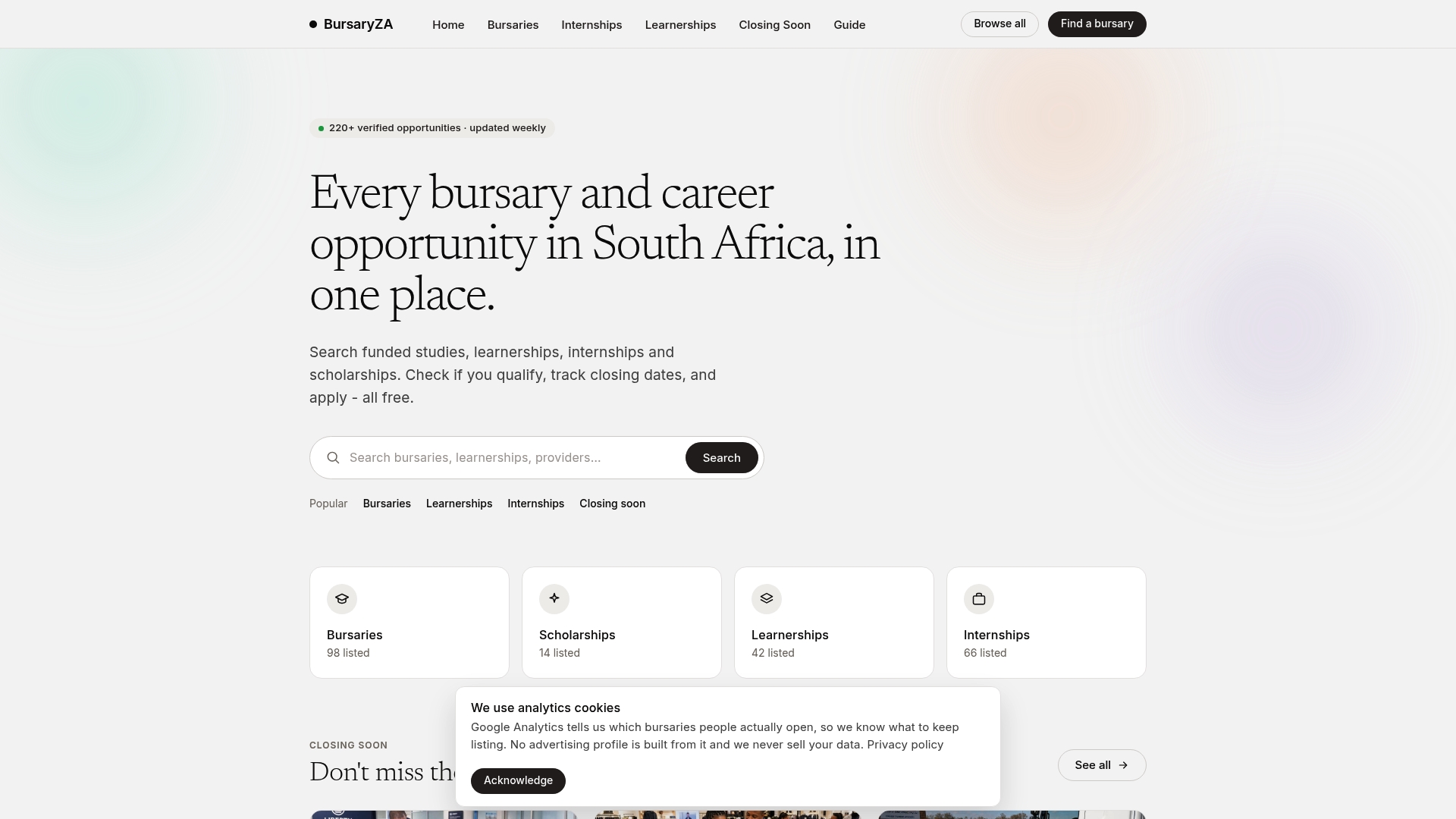
Every internship on the platform goes through an eligibility and closing-date check before it’s published, so you’re not wasting an afternoon on a program that closed months ago. If you’re weighing a Gauteng-based finance internship against a municipal program in another province, the filters let you compare stipend ranges and requirements side by side rather than opening a dozen browser tabs.
Search the internship listings on BursaryZA now and set an alert for your field, so the next paid opportunity lands in your inbox instead of getting buried in a job board feed.
Sources
- Do Internships Pay in South Africa? Full Breakdown (2026 Guide) - Seta Desk
- Paid Internship Jobs in South Africa (1000+ Open Roles)
FAQ
How much does an internship pay in South Africa?
Most paid internships in South Africa fall between R4,000 and R10,000 a month, with a typical internship median around R8,250 according to SetaJobs.
How much is a typical internship stipend?
Government programs commonly publish fixed figures near R7,860 a month, as seen in the Department of Employment and Labour’s Graduate Internship Programme, while corporate stipends vary more widely by sector and province.
What is the minimum stipend for an internship?
There’s no single fixed legal minimum stipend across all internships in South Africa; amounts depend on the specific program’s own terms, though most published government and municipal figures sit above R4,000 a month.
What is the stipend for a Project 20k internship?
Specific figures for a “Project 20k” internship aren’t listed on the official programme pages BursaryZA has verified, so check the exact program’s own notice directly rather than relying on secondhand figures.
Where can I find verified paid internships in South Africa?
Government notices, municipal programs like the City of Johannesburg, and platforms like BursaryZA’s internship listings all publish current, verified stipend figures and application links.